
Buying comprehensive car insurance sounds simple until you actually sit down to do it. You open a quote form, and suddenly you’re staring at words like “comprehensive,” “collision,” “deductible,” and “premium,” with no idea which ones you actually need.
If you’ve ever felt confused, overwhelmed, or worried you’re paying for the wrong coverage — you’re not alone. This guide breaks down comprehensive car insurance in plain, simple language, using real problems drivers face every day so that you can make a confident decision.
What Is Comprehensive Car Insurance?.
Comprehensive car insurance covers damage to your car that isn’t caused by a collision with another vehicle. Think of it as protection against the unexpected things life throws at your car.
It typically covers:
- Theft of your vehicle
- Fire damage
- Natural disasters (storms, floods, hail)
- Falling objects (trees, branches)
- Vandalism
- Damage from hitting an animal (like a deer)
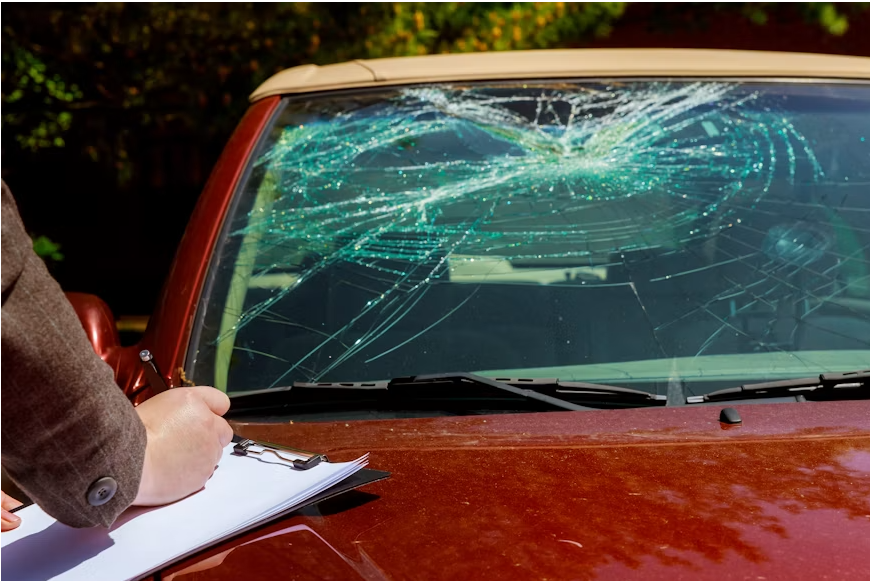
- Broken windshields and glass damage
It’s important to understand that comprehensive coverage is not the same as full coverage. Full coverage usually means comprehensive + collision + liability combined.
A Common Problem: “I Thought I Was Covered”
Here’s a scenario many drivers relate to: a driver parks their car overnight, and by morning, a storm has caused a tree branch to fall on the hood. They call their insurer, expecting help — only to find out they only had liability coverage, which doesn’t cover this kind of damage at all.
This is one of the most common and costly mistakes drivers make. They assume “insurance” automatically means “everything is covered,” when in reality, policies are built from different parts, and each part protects against different risks.
The lesson: Always know exactly what your policy includes before you need to use it — not after.
Comprehensive vs Collision vs Liability: What’s the Difference?
Since these three terms get mixed up the most, here’s a simple side-by-side comparison:
Coverage Type | What It Covers | Example Situation
Liability | Damage/injury you cause to others | You rear-end another car; their repairs are covered
Collision | Damage to your own car from a crash | You hit a pole; your car’s repair is covered
Comprehensive | Damage to your car from non-crash events | Hail damages your car overnight
Most states legally require liability coverage. Comprehensive and collision are usually optional — unless you’re financing or leasing your car, in which case lenders often require both.
Why Drivers Choose Comprehensive Coverage
People don’t buy comprehensive coverage because they expect the worst — they buy it because unexpected damage is more common than most people realize. Some real, everyday reasons drivers add this coverage:
- They live in an area with frequent storms or flooding
- They park on the street, where theft or vandalism risk is higher
- They’ve had a cracked windshield from road debris before
- Their car is newer or more expensive to repair
- They want peace of mind without worrying “what if”
Step-by-Step: How to Choose the Right Comprehensive Policy
Choosing the right policy doesn’t have to be stressful. Follow these steps to make the process easier:
Step 1: Assess Your Car’s Value
If your car is older and worth very little, comprehensive coverage might cost more over time than what you’d get back in a claim. If your car is newer or costly to repair, comprehensive coverage becomes much more valuable.
Step 2: Check Your Deductible Options
A deductible is the amount you pay out of pocket before insurance kicks in. Common choices:
- Low deductible ($250–$500): Higher monthly premium, less to pay if something happens.
- High deductible ($1,000+): Lower monthly premium, more to pay upfront during a claim.
Step 3: Compare Multiple Quotes
Never accept the first quote you see. Rates can vary significantly between insurers for the same coverage.
Step 4: Look for Bundling Discounts
Many insurers reduce your premium if you bundle car insurance with home or renters insurance.
Step 5: Read the Exclusions Carefully
Every policy has exclusions — situations it won’t cover. This is the step most people skip, and it’s the one that causes the most regret later.
Step 6: Reevaluate Annually
Your needs change. A car that was new three years ago may not need the same level of coverage today.
Real Problems Drivers Face (And How Coverage Helps)
Problem | Without Comprehensive Coverage | With Comprehensive Coverage
Car stolen from driveway | Full loss, no reimbursement | Covered, minus deductible
Windshield cracked by flying rock | Pay full repair cost | Covered, often with low/no deductible
Hailstorm dents the hood/roof | Pay out of pocket | Covered under comprehensive
Hit a deer on a highway | Not covered under liability-only plans | Covered under comprehensive
Car flooded during heavy rain | Total financial loss | Covered, subject to policy terms
Seeing it laid out this way makes the value of comprehensive coverage much clearer — it’s not about expecting disaster, it’s about not being financially blindsided when something unexpected happens.
Mistakes to Avoid When Buying Comprehensive Insurance
- Assuming all policies are the same: Coverage limits and exclusions vary a lot between insurers.
- Choosing the cheapest option without checking coverage details: A low premium sometimes means limited protection.
- Not asking about rental car coverage: Useful if your car needs repairs after a covered event.
- Ignoring the claims process: A good insurer should make filing a claim simple, not stressful.
- Forgetting to update coverage after buying a new car: Old policies may not reflect your car’s current value.
How to File a Comprehensive Claim
- Document the damage: Take clear photos immediately.
- Contact your insurer: Reach out as soon as possible.
- File a police report: If theft or vandalism is involved.
- Provide requested documents: This may include repair estimates.
- Get an inspection: The insurer typically sends someone to assess damage.
- Receive your payout: Or repair approval, minus your deductible.
Being organized and quick with documentation often speeds up the entire process.
Frequently Asked Questions
- Is comprehensive car insurance mandatory?
No, it’s usually optional — unless your car is financed or leased, in which case the lender may require it. - Does comprehensive coverage include collision damage?
No. Comprehensive covers non-collision events, while collision coverage is a separate part of your policy. - Will my premium increase if I file a comprehensive claim?
It can, depending on your insurer and the type of claim, though comprehensive claims often affect premiums less than collision claims. - Is comprehensive coverage worth it for an older car?
It depends on your car’s value. If repair costs would be close to or more than the car’s worth, it may not be cost-effective. - What isn’t covered under comprehensive insurance?
Normal wear and tear, mechanical breakdowns, and damage from driving under the influence are typically excluded.
Conclusion
Comprehensive car insurance isn’t about expecting the worst — it’s about being prepared for the unexpected. From storms and theft to falling branches and cracked windshields, everyday risks can turn into expensive problems without the right coverage in place.
The key takeaway is simple: don’t just buy insurance — understand it. Know what your policy covers, compare your options, and review your coverage every year as your situation changes. If you have any questions or need guidance, feel free to visit our Contact Us page